
generation human
Generation Human is not simply a study about AI. It is a global listening initiative exploring how younger generations are defining humanity, creativity, leadership, and connection during one of the most significant technological transitions in modern history.
Its value lies in surfacing emotional truths, cultural signals, and emerging human priorities that will shape the future across sectors.
BE Human presents
Global Youth Perspectives on Humanity, Technology, and the Future
We began with a question.
As artificial intelligence rapidly reshapes how we learn, work, create, and communicate, one question feels increasingly urgent:
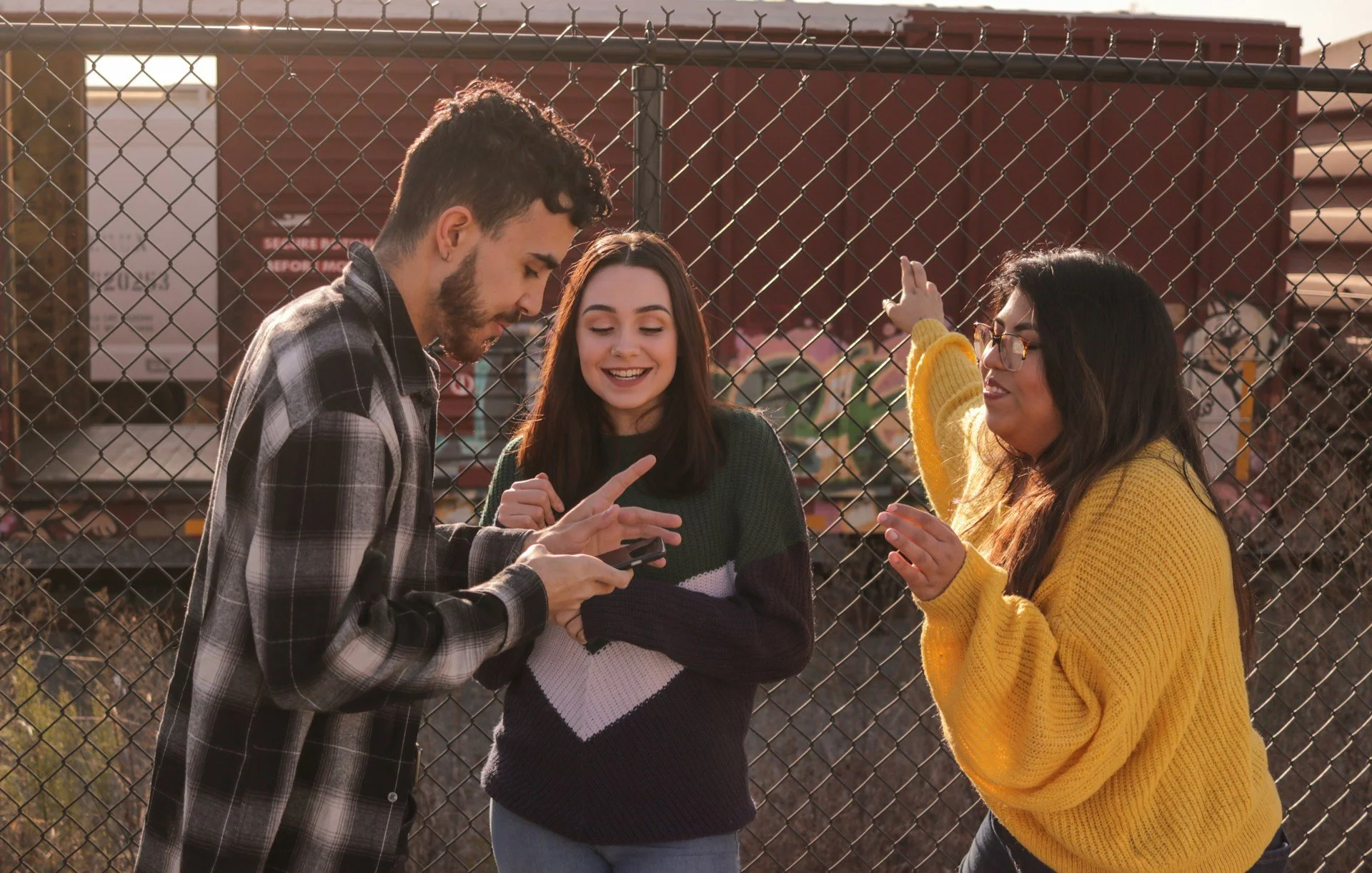
What does it mean to stay human?

Generation Human was created to listen to young people navigating a world being transformed by technology in real time. Rather than beginning with assumptions, predictions, or policy frameworks, we began with conversations, reflections, and lived experience.
Across cultures, communities, and backgrounds, young people are already developing their own language around identity, creativity, connection, purpose, and the role technology will play in shaping the future.
This report captures early signals emerging from those conversations in interviewing with over 450 youth ages 7–25 across Argentina, Colombia, Panama, Costa Rica, Guatemala, South Africa, Uganda, Ghana, USA, Nepal and Thailand.
These are not final conclusions. They are human signals: emotional patterns, tensions, hopes, fears, and emerging perspectives from a generation coming of age alongside AI.

over 450 youth

ages
7–25

From all over the world
Argentina, Colombia, Panama, Costa Rica, Guatemala USA, South Africa, Uganda, Ghana, Nepal and Thailand

Themes explored included:
What makes us human
How technology affects relationships and identity
Creativity and self-expression
Optimism and fear around AI
Human connection and belonging
Leadership and the future
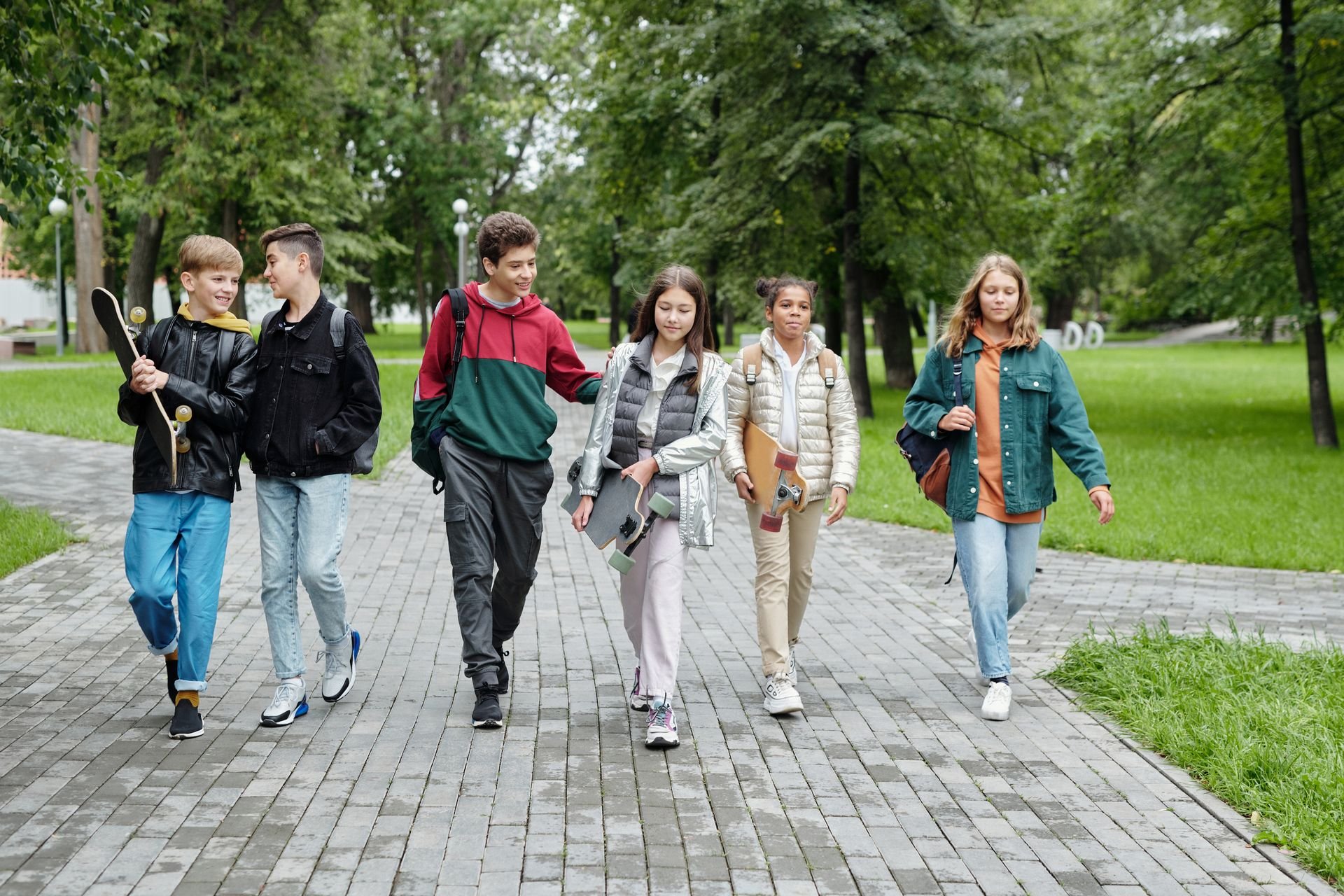
Early Insights

Young people are not rejecting technology, they are searching for balance.
Across responses, young people rarely framed technology itself as “bad.” Instead, many expressed a desire for healthier relationships with technology and more intentional human connection.
The tension was not technology versus humanity.
It was imbalance versus presence.
Many respondents described wanting technology to support human life rather than replace meaningful experiences, relationships, or creativity.
“Technology helps us connect, but sometimes it also makes people feel far away.”
“AI can help people, but we still need real conversations.”
What this may signal:
Young people may be less interested in resisting technology than in redefining how humans coexist with it.


Human connection remains the strongest definition of humanity.
When asked what makes people human, respondents consistently returned to themes of connection, empathy, love, family, friendship, and emotional understanding.
Very few answers defined humanity through intelligence or productivity.
Humanity was described relationally.
“Being human means caring about other people.”
“Humans feel emotions and connect with each other.”
“Love is what makes us human.”
What this may signal:
As AI systems become more capable, emotional intelligence and human connection may become even more central to how younger generations define meaning and leadership.

Creativity is deeply tied to identity.
Many young people described creativity not simply as an activity, but as an essential part of being human.
Art, music, storytelling, imagination, and self-expression appeared repeatedly throughout responses.
This was especially notable when discussing fears around AI-generated content.
“Creativity comes from experiences and emotions.”
“AI can create things, but humans create meaning.”
What this may signal:
Younger generations may increasingly view creativity as a core human differentiator in an AI-driven world

Young people hold both hope and anxiety about the future.
Responses revealed a striking duality.
Many participants expressed optimism about technology improving education, health, opportunity, and innovation. At the same time, concerns emerged around loneliness, overdependence on technology, misinformation, and loss of authentic human interaction.
Hope and fear coexist.
“Technology can solve problems, but people still need to know how to be kind.”
“I think AI will help the future, but I worry people will stop thinking for themselves.”
What this may signal:
This generation may not divide the future into “pro-technology” or “anti-technology,” but instead into systems that strengthen humanity versus systems that diminish it.
Presented by BE Human
In partnership with

Supported by the